A leaky ceiling is a homeowner’s nightmare. One day, you’re enjoying your morning coffee, and the next, you see water dripping from the ceiling. You may panic and wonder why my ceiling is now leaking. Don’t worry, you are not alone. This is a more prevalent problem than you realize, and recognizing the causes will allow you to take prompt action.
Let’s take a look at why your ceiling is leaking water and what you can do to fix it quickly.
Why Is My Ceiling Leaking?
Your ceiling is there to shelter you. However, when water appears, there is a problem. So, why is my ceiling leaking? Here are some common culprits.
Roof Damage or Leaks
A broken or deteriorating roof may easily allow rainwater to soak in. Cracked shingles, blocked gutters, and missing tiles can all cause water damage on the ceiling. After severe rain or storms, always inspect your roof for wear and tear.
Plumbing Problems
One of the most common reasons people question, “Why is my ceiling leaking?” is due to leaking pipes or ruptured plumbing lines. Pipes connecting floors might rupture or leak gradually over time. The water seeps into the ceiling before you know it.
HVAC System Issues
Your air conditioner or ductwork may also be the source of the problem. If your HVAC system does not drain properly, it can lead to ceiling leaking water. Condensation accumulation can also cause drips and water damage on a ceiling.
Condensation and Moisture Buildup
Sometimes, it’s simply trapped moisture. Condensation can occur due to subpar ventilation or excessive humidity levels in the home. Over time, this wetness raises the nagging question: why is my ceiling leaking?
You can also contact the flplumbingaz for the detection of the leaks in the concrete or under the slab, or for any general plumbing problems resolving
What Are the Signs of a Ceiling Leak?
Be aware of these warning signals before things worsen.
5. Copper Pipes
Copper is one of the oldest and most reliable choices for underground water lines.
Pros:
- Extremely durable (can last over 50 years)
- Naturally resistant to bacteria and corrosion
- Safe for drinking water
Cons:
- Expensive
- Requires professional installation (soldering needed)
Best for: Homeowners looking for a high-quality, long-term water pipe solution.
Water Dripping from the Ceiling
This one is apparent. If you detect water dripping from the ceiling, act quickly! It indicates that the leak has already progressed.
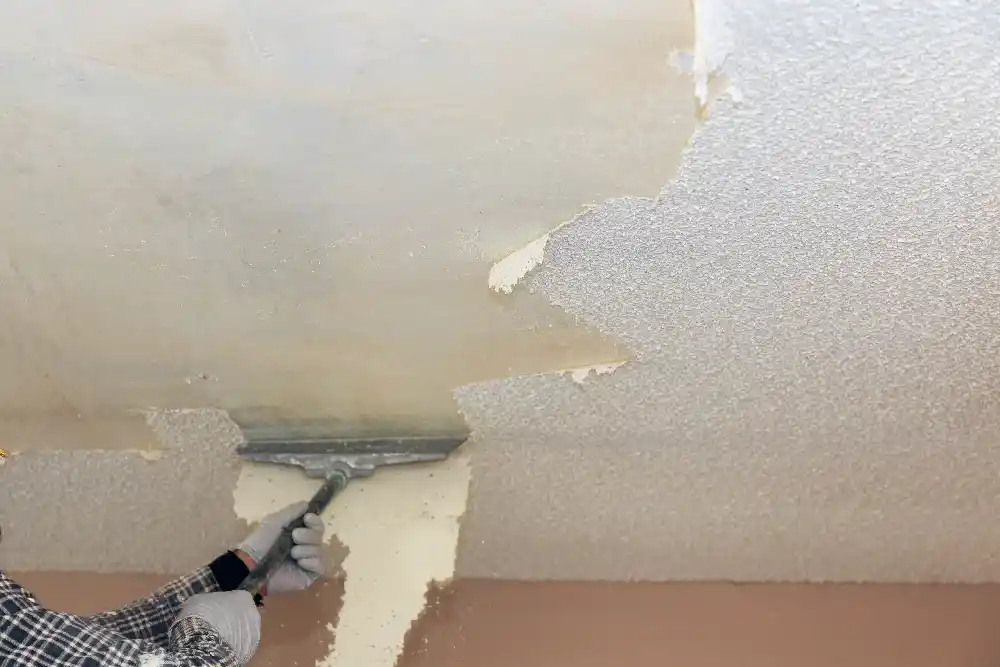
Water Stains and Discoloration
Brown or yellowish streaks indicate water damage on the ceiling. If you notice these markings, there’s danger developing overhead.
Detect and fix hidden leaks before they cause major damage with our expert Leak Detection Services—fast, accurate, and non-invasive solutions!
Sagging or Bubbling Ceiling
When a ceiling sags or bubbles, it is retaining water. It may even rupture if you don’t act fast.
Musty Odors
A moist, musty odor is a warning sign. It usually indicates concealed moisture or mold forming under the ceiling.
Peeling or Cracking Paint
Paint that splits, bubbles, or peels indicates moisture damage. That raises another question: why is my ceiling leaking?
What To Do If My Ceiling Is Leaking?
Caught off guard? Stay cool and take the following steps:
Contain the Water
Put a bucket or big container underneath the leak. Soak up any water dripping from sealing with the help of towels.
Locate the Source (If Possible)
Look for where the water is coming from. Check the roof, plumbing, or HVAC system to see if it is safe to do so.
Turn Off the Water Supply (If Plumbing-Related)
If you suspect a plumbing issue, turn off the main water valve to stop more damage.
Ventilate the Area
Use fans and open windows to dry out the area and avoid mold development.
Document the Damage
Take photographs of the water damage to the ceiling for insurance claims and repairs.
How Do You Know If a Ceiling Leak Is Serious?
Are you wondering if this is a significant problem or an easy fix? Here is how to check:
Visual Inspection: Surface Damage vs. Structural Issues
Surface stains are mild. However, drooping or significant fractures may indicate structural deterioration. Don’t overlook them.
Check for Mold Growth
Mold may spread fast when there is dampness. If you notice black or green areas, this is a major problem.
Determine the Dryness of the Ceiling
Use a dry cloth to touch the ceiling. If it remains moist or soft, the problem has not been fixed.
How to Prevent Future Ceiling Leaks
It is better to prevent than to cure! Adopt these easy habits:
Regular Roof Inspections and Maintenance
Inspect your roof twice every year. To avoid ceiling leaking water, clean up the gutters and fix any broken shingles.
Proper Plumbing Maintenance
Check your pipes on a regular basis for leaks and corrosion. Do not disregard small drops.
Ensure Adequate Ventilation
Make sure your attic and rooms are properly aired. Moisture accumulation may be reduced with good ventilation.
Control Humidity Levels
During humid seasons, use a dehumidifier to avoid condensation and water damage on the ceiling.
If you’re dealing with a ceiling leak, it could be a sign of hidden plumbing issues, including leaks under concrete slabs. Understanding how to detect a water leak under concrete can help prevent further damage to your home. Check out this detailed guide from FL Plumbing AZ to learn more about identifying and fixing hidden leaks before they lead to costly repairs
Proper HVAC Maintenance
Schedule frequent HVAC inspections. Clogged drains should be cleared as soon as possible, and any leaks should be repaired.
When It’s Time to Get Help
Ceiling leaks are not to be ignored. If you’re still wondering why is my ceiling leaking?- it’s time to call in the professionals.
Visit Fast Layne Plumbing & HVAC, here we have your back. Whether it’s water dripping from the ceiling, hidden plumbing difficulties, or HVAC leakage, we can fix it quickly and correctly the first time. We are trusted by residents in Phoenix, AZ, and beyond because of our prompt service, reasonable pricing, and skilled solutions.
Stop guessing and stressing—call Fast Layne Plumbing & HVAC immediately to book your leak inspection!
If you’re looking for reliable plumbers in the East Valley region, including Phoenix, Queen Creek, Gilbert, Mesa, and surrounding areas—contact us! Our team of experts is available 24/7 to handle any plumbing services you may need. Get a plumbing estimate today!
REQUEST A SERVICE or call (480) 725-5343
What your neighbors are saying.
Verified reviews from real Phoenix-metro customers.
"Fast Layne Plumbing showed up within 24hrs and repaired my emergency. Jesse was awesome, got my water up and running in no time. They were the most affordable out of the 3 quotes I got and also honored their discounts (autism diagnosis). That meant a lot to us. I have found my plumbing company for any repairs. Thanks guys!"
"Fast Layne Plumbing did an amazing job installing our reverse osmosis system — quick, professional, and super clean work. The water tastes incredible! I also love that they support autism awareness with their custom shirts. It’s great to see a company that delivers excellent service and gives back to the community. Highly recommend!"
Recent Posts
How Long Does a Gas Leak Take To Fix?
What Are the Benefits of Kitchen Remodeling?
Why Does My Water Heater Make a Popping Noise and How to Stop It
How Often Should I Have My Tankless Water Heater Flushed and Why It Matters
How to Detect Water Leak in Wall and Repair It Quickly
Can Reverse Osmosis Remove Chlorine?
Got a plumbing problem like this?
Call Fast Layne for honest pricing and same-day service across the Phoenix metro.
(480) 725-5343 Request a Quote