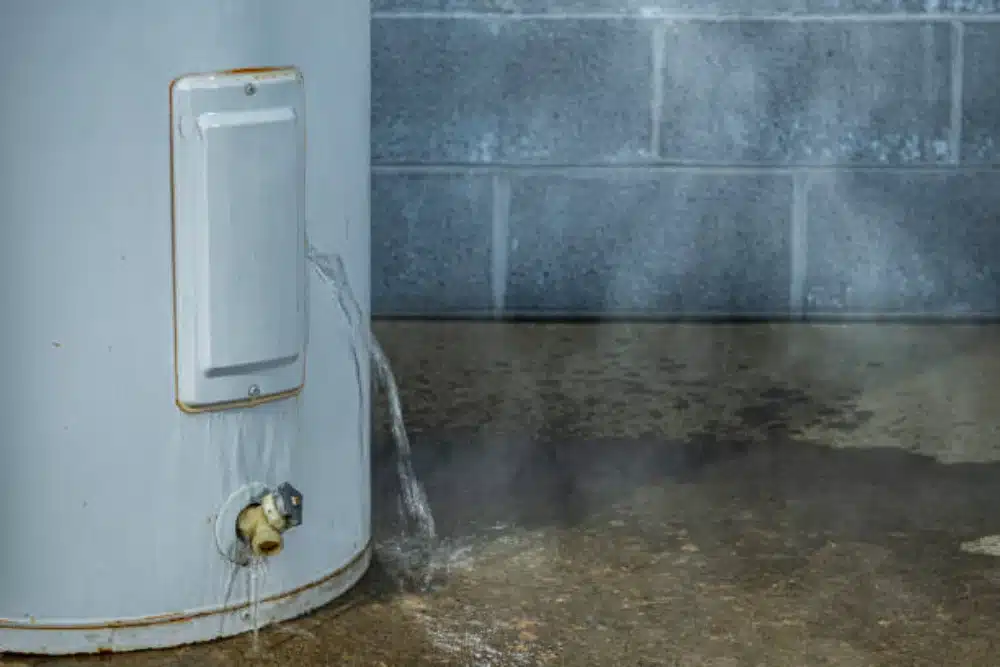
Nobody wants to wake up to the surprise of water puddling under their water heater. It’s easy to ignore a few drips, but a leaking heater is more than a minor annoyance—it can lead to serious problems. Whether it’s from old age or a faulty part, knowing what to do next can save you a lot of trouble and money.
Let’s dive into the risks of a leak, how to spot them early, and what steps you should take to keep your home safe and dry.
Is a Leaking Water Heater Dangerous?
Potential Safety Risks You Shouldn’t Ignore
You might be wondering: is a leaking water heater dangerous? The short answer—yes, it absolutely can be. Even a minor leak can create electrical hazards if it comes in contact with nearby outlets or wiring. Gas water heaters carry an added risk of gas leaks or fire. Never take chances when your safety is involved.
Water Damage to Flooring and Surrounding Areas
If ignored, a hot water tank leaking water can soak flooring, baseboards, and walls. Over time, this can warp wood, damage tiles, and ruin insulation. Water damage often leads to costly repairs, especially if not caught early.
Risk of Mold Growth or Structural Damage
Another danger lurking behind a persistent hot water leak is mold. Damp conditions make the perfect breeding ground for mold and mildew. Left unchecked, this can impact your health and weaken the structure of your home.
Common Reasons Your Hot Water Heater Is Leaking
Loose Drain Valve
Sometimes, the culprit is something as simple as a loose drain valve. If water is dripping from the spout near the bottom of the tank, this could be it. Tightening it might stop the leak, but don’t force it.
Corroded Tank or Internal Rust
Water heaters have a limited lifespan. Corrosion and rust inside the tank are signs it’s nearing the end. A hot water tank leaking water due to internal rust usually indicates that replacement is necessary.
Faulty Pressure Relief Valve
This valve releases pressure when it gets too high. If it’s damaged or stuck, it may leak. It’s crucial to check whether the valve is the cause before assuming the worst.
Cracks in the Tank or Pipe Fittings
With age and heat, tanks can crack, and fittings can loosen. These small cracks may start as slow drips but grow over time. If my water heater is leaking from the body, a cracked tank may be the reason.
High Internal Pressure or Overheating
Water expands when heated. If your thermostat is set too high or the pressure is building up, the tank might start to leak as a result. Reducing the temperature may help temporarily.
Signs You Have a Hot Water Leak
Water Pooling Around the Base of the Tank
This is usually the most obvious sign. Small puddles around your heater shouldn’t be brushed off. Regularly inspect the area for moisture or standing water.
Reduced Hot Water Supply
If you’re not getting enough hot water or it runs out faster than usual, you might have a hot water leak that’s draining the tank before you can use it.
Hissing, Dripping, or Rust-Colored Water
Strange sounds or discolored water often indicate sediment buildup or rust inside the tank. These can signal that my water heater is leaking or close to failing.
Damp or Moldy Smells Near the Heater
If it smells like an old basement near your water heater, that’s a red flag. Moisture hiding behind the heater or walls may indicate a slow, hidden leak.
What to Do if Your Water Heater Is Leaking
Step 1: Turn Off the Power or Gas Supply
For electric heaters, switch off the circuit breaker. For gas units, turn off the gas valve. Safety first—always.
Step 2: Shut Off the Cold Water Inlet Valve
Find the valve at the top of the tank and turn it clockwise to stop the water flow. This prevents more water from leaking out.
Step 3: Drain the Tank (If Necessary)
If you see a large amount of water, attach a hose to the drain valve, empty the tank to reduce damage, and prepare it for repair.
Step 4: Identify the Source of the Leak
Look closely at valves, fittings, and the tank body. Spotting where the leak is coming from helps determine whether it can be fixed or not.
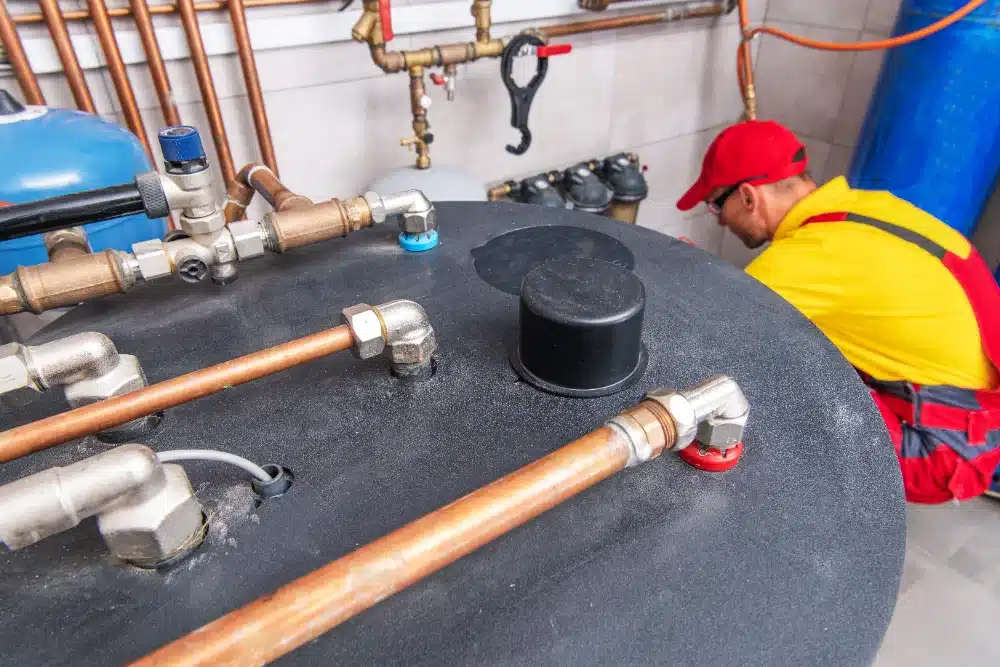
Step 5: Call a Licensed Plumber for Repairs or Replacement
If you’re unsure what to do next, don’t guess. Call a pro who can assess the issue and safely fix it.
Can a Leaking Hot Water Tank Be Repaired?
When a Valve or Fitting Can Be Tightened or Replaced
Leaks from valves or pipes often only need a simple repair. Replacing washers, tightening connections, or changing valves may do the trick.
When the Whole Tank Needs to Be Replaced
If the tank is leaking or rusted through, replacement is the only option. No patch can fix internal corrosion.
Lifespan of a Typical Water Heater and Maintenance Tips
Most water heaters last 8–12 years. Routine maintenance—flushing sediment and checking parts—helps stretch that timeline.
Preventing Future Water Heater Leaks
Flush the Tank Annually to Remove Sediment
Sediment buildup causes overheating and rust. Flushing your tank once a year helps prevent that and keeps your heater running smoothly.
Check and Replace the Anode Rod
The anode rod attracts corrosive elements. Replacing it every few years helps protect your tank from rust.
Inspect the Pressure Relief Valve Regularly
Give the valve a gentle lift to make sure it’s working. If it doesn’t release water or reseal properly, replace it.
Install a Leak Detector or Water Alarm
A simple alarm near the heater alerts you early if a leak starts—before damage sets in.
Frequently Asked Questions
My water heater is leaking—can I still use it?
You shouldn’t. A leaking unit may fail completely or create safety hazards. Shut it down and call a plumber right away.
How much does it cost to replace a leaking water heater?
Costs vary, but average replacements can range from $800 to $2,500, depending on type, size, and installation.
Can a hot water leak cause my energy bill to rise?
Yes. Your heater may work overtime trying to keep up, using more power or gas than usual.
Water Heater Installation and Repair Services in East Valley
A water heater leak is more than a wet mess—it’s a potential threat to your home and safety. So, is a leaking water heater dangerous? Without a doubt. By recognizing the signs and acting fast, you can prevent long-term damage and high repair bills. Whether it’s a hot water leak or a hot water tank leaking water, don’t wait to address the issue.
If you suspect trouble or your water heater is leaking, trust the experts at Fast Layne Plumbing to help. We offer fast, reliable, and professional service in the East Valley area.
Visit https://flplumbingaz.com/ to schedule your inspection or repair today!
If you’re looking for reliable plumbers in the East Valley region, including Phoenix, Queen Creek, Gilbert, Mesa, and surrounding areas—contact us! Our team of experts is available 24/7 to handle any plumbing services you may need. Get a plumbing estimate today!
REQUEST A SERVICE or call (480) 725-5343
What your neighbors are saying.
Verified reviews from real Phoenix-metro customers.
"Fast Layne Plumbing showed up within 24hrs and repaired my emergency. Jesse was awesome, got my water up and running in no time. They were the most affordable out of the 3 quotes I got and also honored their discounts (autism diagnosis). That meant a lot to us. I have found my plumbing company for any repairs. Thanks guys!"
"Fast Layne Plumbing did an amazing job installing our reverse osmosis system — quick, professional, and super clean work. The water tastes incredible! I also love that they support autism awareness with their custom shirts. It’s great to see a company that delivers excellent service and gives back to the community. Highly recommend!"
Recent Posts
How Long Does a Gas Leak Take To Fix?
What Are the Benefits of Kitchen Remodeling?
Why Does My Water Heater Make a Popping Noise and How to Stop It
How Often Should I Have My Tankless Water Heater Flushed and Why It Matters
How to Detect Water Leak in Wall and Repair It Quickly
Can Reverse Osmosis Remove Chlorine?
Got a plumbing problem like this?
Call Fast Layne for honest pricing and same-day service across the Phoenix metro.
(480) 725-5343 Request a Quote