The pressure relief valve (PRV) is a vital safety feature in your water heater, designed to prevent excessive pressure buildup that could lead to catastrophic damage. Regularly testing and maintaining this valve is crucial for the safety and longevity of your system. This guide provides a detailed overview of how to properly open, test, and maintain the PRV, helping ensure your water heater operates safely and efficiently.
What is a Water Heater Pressure Relief Valve?
A pressure relief valve serves as a critical safety mechanism in water heaters. Its primary function is to protect the tank from over-pressurization, which could potentially cause the tank to rupture or explode. If internal pressure exceeds safe levels (typically 150 psi), the PRV automatically opens to release excess pressure, preventing any dangerous buildup.
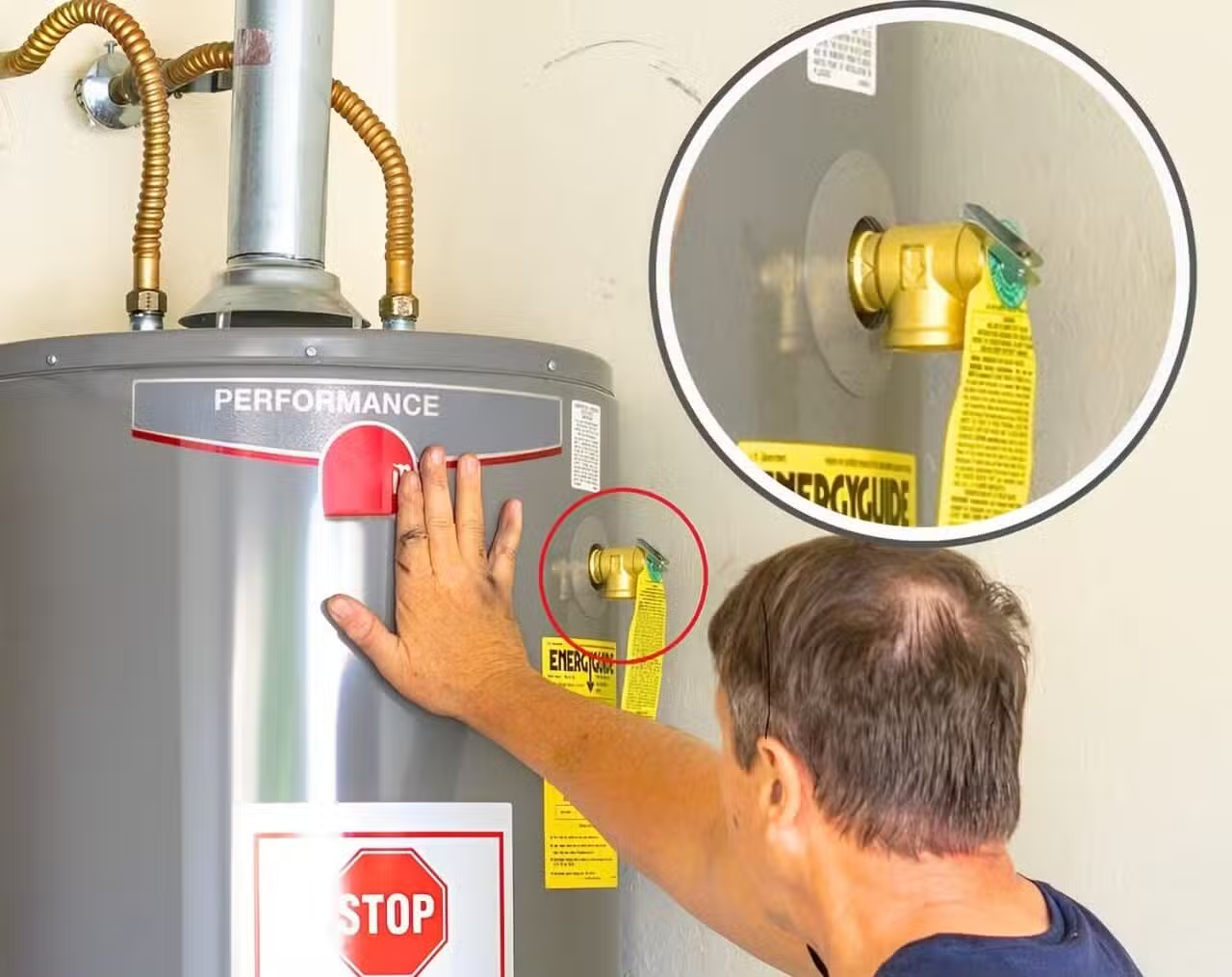
It’s usually located on the top or side of the water heater, and it’s connected to a discharge pipe that directs the released water away from sensitive areas like walls or electrical fixtures. The PRV should remain closed under normal operating conditions, but its responsiveness in emergencies makes it an essential safety feature.
Why Is It Important?
- Safety: Prevents explosions or tank ruptures caused by excessive pressure.
- Efficiency: Ensures the heater works within safe operational limits, preventing stress on the tank.
When to Open the Pressure Relief Valve
The pressure relief valve isn’t something that requires constant interaction. However, testing the valve periodically is an essential part of maintaining your water heater. You should open or test the PRV under the following conditions:
1. Routine Maintenance
As a part of regular water heater maintenance, it’s essential to open and test the valve once a year. This simple procedure ensures that the valve is functioning properly and isn’t obstructed. If you’re unsure how to do this, refer to the manufacturer’s manual for specific instructions.
2. Before Peak Use Seasons
Testing the valve before heavy usage periods, such as winter, helps ensure the water heater remains safe under the increased demand for hot water.
3. Signs of Potential Issues
If you notice unusual leaking from the valve or reduced hot water flow, it’s a sign that the pressure might be rising within the tank. Opening the valve can give you an immediate idea of whether it’s functioning properly or if maintenance is needed.
How to Safely Open the Water Heater Pressure Relief Valve
Follow these clear steps to safely open and test your water heater’s pressure relief valve:
Step 1: Turn Off the Power Supply
For electric water heaters, turn off the circuit breaker. For gas-powered heaters, set the gas control knob to “pilot” mode. This is important to avoid electrical shock or fuel-related hazards during maintenance.
Step 2: Shut Off the Water Supply
Locate the cold water supply valve and turn it off. This step prevents additional water from entering the tank as you work on the valve.
Step 3: Locate the Pressure Relief Valve
The valve is typically found on the top or side of the water heater. It will be a lever-type valve or a pull-ring model, connected to a discharge pipe.
Step 4: Prepare for Water Discharge
Position a bucket or container beneath the discharge pipe to catch any water or steam released when you open the valve.
Step 5: Open the Valve
Lift the lever or pull the ring to open the valve. You may hear a hissing sound, or you may notice water beginning to discharge. This confirms that the valve is releasing excess pressure.
Step 6: Close the Valve
Once the valve has been tested, release the lever and ensure it fully closes. Check that no water is leaking from around the valve.
Step 7: Restore Power and Water
Turn the water supply back on and restore power to your water heater. Perform a final check to ensure there are no signs of leakage or other issues.
Troubleshooting Common Issues with Pressure Relief Valves
If you observe that your pressure relief valve is leaking or not functioning correctly, here are common issues to look out for:
1. Excessive Pressure
High water pressure or a malfunctioning thermostat may cause the valve to open unnecessarily. This is usually a sign that the pressure inside the tank has exceeded safe limits.
2. Faulty Valve
Over time, sediment buildup or wear and tear can cause the valve to malfunction, either by failing to open or failing to close properly. If you suspect a faulty valve, it’s best to have it inspected and replaced by a professional.
3. Sediment Buildup
Mineral deposits or sediment from hard water can accumulate and clog the valve, preventing it from functioning properly. Flushing the tank regularly can help prevent sediment buildup and ensure the valve remains clear.
Regular Maintenance: How Often Should You Test the PRV?
Regular maintenance is key to keeping your water heater in optimal condition. You should test the pressure relief valve at least once a year, especially if you use your water heater frequently. Here are the benefits of regular testing:
- Prevents Pressure Buildup: Ensures the valve works correctly to release excess pressure when needed.
- Enhances Safety: Keeps the system functioning safely by checking that the PRV activates properly.
- Extends Heater Life: Regular maintenance helps prevent costly breakdowns and extends the life of your water heater.
Common Mistakes to Avoid
While testing the PRV is relatively straightforward, there are a few common mistakes homeowners should avoid:
1. Failing to Turn Off Power
Make sure to always turn off the power to your heater before performing any maintenance. This reduces the risk of electrical accidents.
2. Improperly Handling the Discharge Pipe
Ensure the discharge pipe directs water away from electrical outlets, walls, or flooring. Hot water can cause burns or significant water damage.
3. Ignoring Leaks
If the PRV is leaking, don’t just ignore it. Leaking water from the valve could indicate excessive pressure, a faulty valve, or sediment buildup, all of which need prompt attention.
Why Professional Help May Be Needed
If your pressure relief valve is leaking or malfunctioning, or if you are unsure about how to test it properly, it may be time to call a professional. A licensed water heater technician can:
- Inspect and diagnose issues with the PRV.
- Replace faulty valves or worn-out components.
- Flush the tank to remove sediment buildup and ensure smooth valve operation.
Ensure your water heater remains in top condition and safe to use. Contact Fast Layne Plumbing for professional inspection and maintenance of your pressure relief valve today. Fast Layne Plumbing offers expert water heater services in your area. Don’t risk your safety—contact us today for a thorough inspection or repair.
If you’re looking for reliable plumbers in the East Valley region, including Phoenix, Queen Creek, Gilbert, Mesa, and surrounding areas—contact us! Our team of experts is available 24/7 to handle any plumbing services you may need. Get a plumbing estimate today!
REQUEST A SERVICE or call (480) 725-5343
What your neighbors are saying.
Verified reviews from real Phoenix-metro customers.
"Fast Layne Plumbing showed up within 24hrs and repaired my emergency. Jesse was awesome, got my water up and running in no time. They were the most affordable out of the 3 quotes I got and also honored their discounts (autism diagnosis). That meant a lot to us. I have found my plumbing company for any repairs. Thanks guys!"
"Fast Layne Plumbing did an amazing job installing our reverse osmosis system — quick, professional, and super clean work. The water tastes incredible! I also love that they support autism awareness with their custom shirts. It’s great to see a company that delivers excellent service and gives back to the community. Highly recommend!"
Recent Posts
How Long Does a Gas Leak Take To Fix?
What Are the Benefits of Kitchen Remodeling?
Why Does My Water Heater Make a Popping Noise and How to Stop It
How Often Should I Have My Tankless Water Heater Flushed and Why It Matters
How to Detect Water Leak in Wall and Repair It Quickly
Can Reverse Osmosis Remove Chlorine?
Got a plumbing problem like this?
Call Fast Layne for honest pricing and same-day service across the Phoenix metro.
(480) 725-5343 Request a Quote