
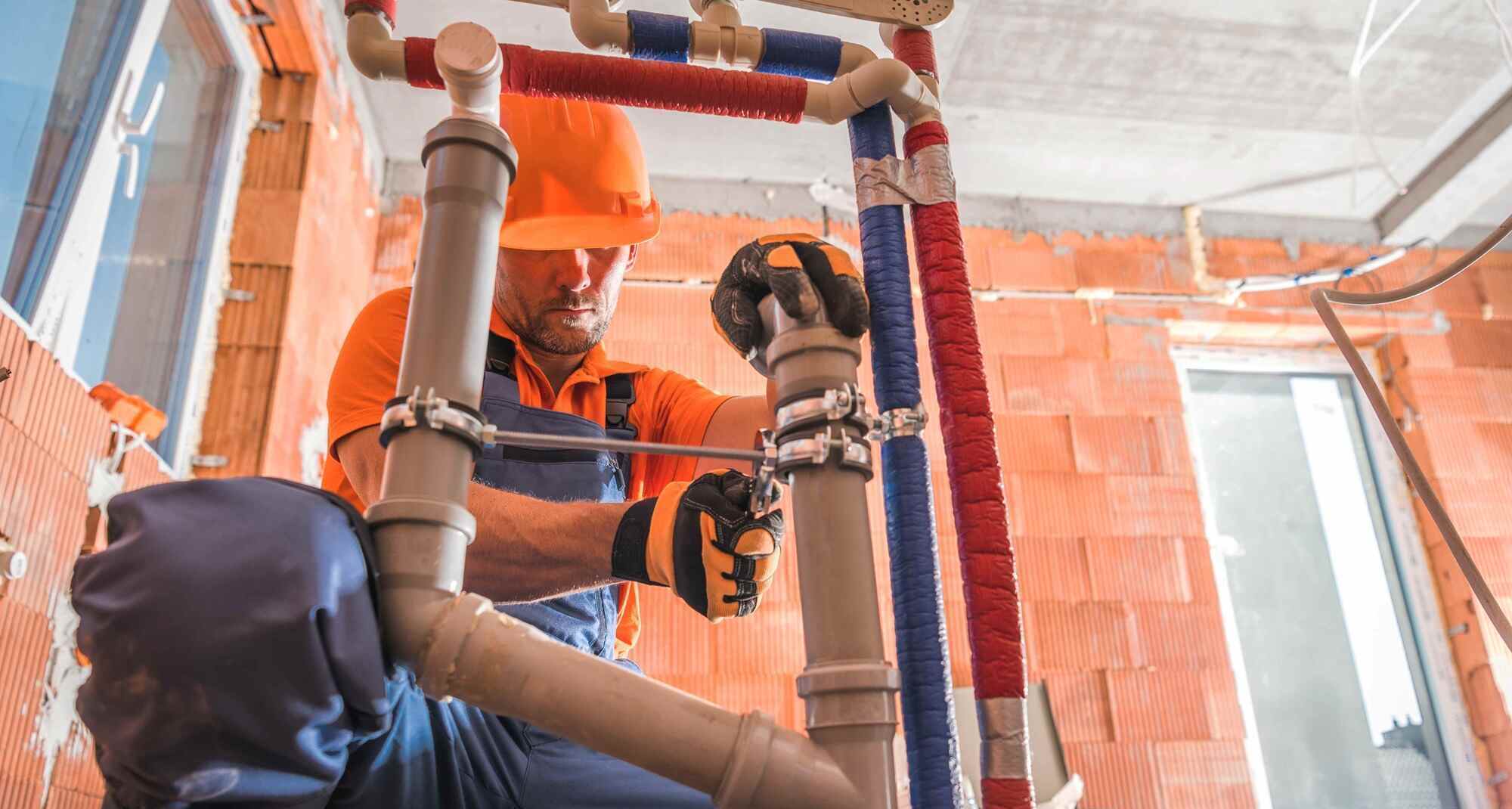
Repiping your property may significantly improve water flow and avoid plumbing issues. However, after the job is completed, maintaining those new pipes is critical to ensuring they remain in good condition for many years. Whether you have copper, PEX, or PVC pipes, professional plumbing repiping maintenance is essential. Here’s how to keep the pipes running smoothly and avoid future problems.
Know Your Pipes
The first step in maintaining your plumbing system post-repipe is to understand the materials you’re working with. Copper, PEX, and PVC have distinct properties, and each requires specialized care.
- Copper Pipes: Known for their strength and natural antimicrobial properties, copper pipes are a top choice for durability. However, they’re susceptible to corrosion if exposed to highly acidic water. To keep these pipes in top condition, it’s essential to monitor your water’s pH and consider a water softener if you’re dealing with hard water.
- PEX Pipes: This flexible tubing is resistant to scaling and chlorine, which makes it a popular choice for modern plumbing. However, PEX is vulnerable to UV exposure, so it should never be installed in direct sunlight. Ensure that any exposed PEX is properly insulated and shielded.
- PVC Pipes: Lightweight and affordable, PVC is ideal for specific applications but can crack under pressure or extreme temperature swings. To keep PVC in good shape, be mindful of water pressure and insulate pipes in cold areas to prevent temperature-related stress.
Understanding the unique qualities of each type of pipe is the foundation for effective, long-lasting maintenance.
Control Water Pressure
High water pressure may feel like a luxury, but over time, it can wreak havoc on your pipes. Prolonged high pressure stresses joints, valves, and fittings, eventually leading to leaks or bursts.
- Install a Pressure Gauge: A simple gauge can help you monitor water pressure. Residential plumbing systems ideally stay below 60 psi (pounds per square inch), which keeps your pipes safe and minimizes wear.
- Consider a Pressure Regulator: If your water pressure tends to run high, installing a regulator will keep it within safe limits, extending the life of your pipes. This is especially important for copper and PVC pipes, which are more susceptible to high-pressure damage.
Reducing and monitoring water pressure takes strain off the entire plumbing system, ensuring it performs well and lasts longer.
Prevent Pipe Corrosion
Corrosion is the silent enemy of plumbing, especially for copper pipes. While PEX and PVC are more resistant to rust, copper is vulnerable to corrosion when exposed to acidic water or certain minerals.
- Install a Water Softener: Hard water, which is rich in minerals, can cause scale buildup that speeds up corrosion in copper pipes. A water softener can reduce mineral content, preventing scale formation and helping your pipes last.
- Use Corrosion Inhibitors: These additives neutralize the pH of water, helping to prevent copper pipes from corroding. For homes with copper, this is a small but powerful preventative step.
Keep an eye on your water quality. Addressing any issues quickly can save you from major pipe repairs down the line.
Conduct Regular Inspections
Routine inspections are crucial to catching small issues before they become costly repairs. Take a few minutes every six months to check for leaks, cracks, and signs of wear.
- Copper Pipes: Look for telltale green-blue stains, which are signs of corrosion. Moisture, discoloration, or unusual odors can also signal a problem.
- PVC Pipes: Check for cracks, especially in areas exposed to fluctuating temperatures. White residue on PVC can indicate excessive water pressure, which should be addressed.
- PEX Pipes: Ensure all connections are secure, and inspect for signs of UV exposure if PEX runs near windows or unshaded areas.
Frequent inspections let you catch early warning signs, saving you from sudden repairs and keeping the system running smoothly.
Choosing the Right Repiping Professionals
Selecting the right repiping provider is essential for a durable, efficient plumbing system. From assessing needs to verifying credentials, learn key steps to ensure a dependable choice for your home’s long-term plumbing health. Click to learn more.
Winterize Pipes to Avoid Freezing
For those living in colder climates, protecting pipes from freezing is a must. Freezing causes pipes to expand and can lead to cracks or bursts, particularly in PVC or uninsulated copper pipes.
- Use Pipe Insulation: Foam insulation sleeves are an easy and effective way to protect pipes in unheated spaces, like basements and crawl spaces.
- Keep a Trickle of Water Flowing: When temperatures drop, letting a small stream of water run from a faucet can keep water moving and prevent freezing.
- Seal Gaps: Any gaps or cracks in walls near pipes should be sealed to prevent cold air from reaching your pipes.
Taking these steps to winterize your pipes can help prevent costly freeze-related repairs and keep your plumbing in working order year-round.
Avoid Chemical Drain Cleaners
Chemical drain cleaners might seem like a quick fix for clogs, but they’re harmful to pipes, especially copper. Strong chemicals can corrode pipes over time, leading to leaks and other damage. Opt for safer, natural methods to keep your pipes clear.
- Use Natural Cleaners: Baking soda, hot water, and vinegar can help break up clogs without damaging pipes. This method is safe for copper, PEX, and PVC pipes alike.
- Mechanical Methods for Clogs: For tougher clogs, use a plunger or a drain snake. These tools work mechanically to clear blockages without risking chemical damage.
Avoiding harsh chemicals helps maintain the integrity of your pipes and reduces corrosion risks, especially in copper systems.
Maintain Stable Temperatures
Temperature fluctuations can strain plumbing systems, particularly PVC pipes. Keeping water temperatures in a safe range reduces stress and helps avoid wear on connections and fittings.
- Regulate Water Heater Temperature: Setting your water heater to a moderate temperature (typically below 120°F) reduces the risk of heat-related pipe damage. Excessive heat can weaken PVC pipes and stress PEX fittings.
- Insulate Exposed Pipes: Pipes in unheated areas or near windows can experience temperature swings. Insulating these pipes keeps them more stable and prolongs their life.
By maintaining consistent temperatures, you reduce stress on pipes and help them function efficiently over time.
Secure Pipe Connections
Connections and joints are often the most vulnerable parts of a plumbing system, especially with PEX, which expands and contracts. Periodically check all connections to ensure they’re tight and secure.
- Tighten PEX Connections: PEX pipes expand and contract as temperatures change, which can loosen connections. Regularly inspect and tighten connections to prevent leaks.
- Monitor Joints and Fittings: Check for any moisture around joints, as small leaks can worsen over time. Tightening or replacing old fittings can help prevent major issues.
Ensuring tight, secure connections keeps your plumbing system sealed and operating smoothly, with less risk of leaks.
Long-Term Maintenance for Your Repiped System
Properly maintaining your copper, PEX, and PVC pipes doesn’t have to be overwhelming. With the right routine practices recommended by repiping professionals, you can keep your new plumbing system in top condition, ensuring it performs well and lasts for decades. Regular inspections, preventive care, and minor adjustments make a big difference.
Final Thoughts on Pipe Maintenance
Keeping your pipes in good condition does not have to be difficult if you take the proper approach. These recommendations can help with everything from preventing pipe corrosion to doing routine maintenance and preparing for winter. At Fast Layne Plumbing, we are committed to assisting you in maintaining your plumbing system and avoiding avoidable difficulties.
Need skilled assistance with your plumbing maintenance? Call us now for expert guidance and services. Allow us to keep your plumbing flowing smoothly!
If you’re looking for reliable plumbers in the East Valley region, including Phoenix, Queen Creek, Gilbert, Mesa, and surrounding areas—contact us! Our team of experts is available 24/7 to handle any plumbing services you may need. Get a plumbing estimate today!
REQUEST A SERVICE or call (480) 725-5343
What your neighbors are saying.
Verified reviews from real Phoenix-metro customers.
"Fast Layne Plumbing showed up within 24hrs and repaired my emergency. Jesse was awesome, got my water up and running in no time. They were the most affordable out of the 3 quotes I got and also honored their discounts (autism diagnosis). That meant a lot to us. I have found my plumbing company for any repairs. Thanks guys!"
"Fast Layne Plumbing did an amazing job installing our reverse osmosis system — quick, professional, and super clean work. The water tastes incredible! I also love that they support autism awareness with their custom shirts. It’s great to see a company that delivers excellent service and gives back to the community. Highly recommend!"
Recent Posts
How Long Does a Gas Leak Take To Fix?
What Are the Benefits of Kitchen Remodeling?
Why Does My Water Heater Make a Popping Noise and How to Stop It
How Often Should I Have My Tankless Water Heater Flushed and Why It Matters
How to Detect Water Leak in Wall and Repair It Quickly
Can Reverse Osmosis Remove Chlorine?
Got a plumbing problem like this?
Call Fast Layne for honest pricing and same-day service across the Phoenix metro.
(480) 725-5343 Request a Quote